Poinsettia Heights, FL · Broward County
Mold Structural Damage Restoration in Poinsettia Heights, FLHVAC Duct Mold Cleaning & Mold Infested Drywall Removal
Mold Structural Damage Restoration in Poinsettia Heights often includes mold damaged flooring removal, post-remediation structural drying and structural wood mold treatment.
Answered 24/7
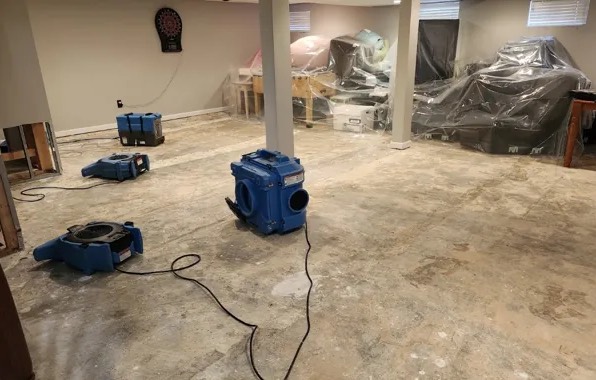
Mold Structural Damage Restoration Experts Serving Poinsettia Heights
In Poinsettia Heights, properties with mold structural damage face issues like compromised indoor air quality and progressive decay of materials like wood and drywall. An inspection shows how far the problem goes.
In Poinsettia Heights and nearby areas like Wilton Manors, Victoria Park and Sunrise, structural mold usually comes from water that was never fixed. Properties benefit from quick action to prevent further compromise. Local mold removal specialists remove black mold and repair the structure afterward.
Mold Structural Damage Restoration Services for Poinsettia Heights
HVAC Duct Mold Cleaning
Mold in air ducts spreads spores. Professional cleaning uses specialized brushes and vacuums to remove mold and apply treatment to inhibit regrowth.
Mold Infested Drywall Removal
Mold growth on drywall signals that moisture has penetrated the material. The removal process involves precise cutting, bagging the debris onsite, and thorough cleaning of the adjacent surfaces. The mold is removed, not just covered up.
Post-Remediation Structural Drying
Drying after remediation keeps mold from returning. The pros set up targeted drying systems to eliminate residual moisture.
Emergency Mold Containment Setup
Setting up containment controls the mold remediation environment from the outset. It isolates the area to protect workers and occupants before removal starts.
Mold Contaminated Insulation Removal
The pros perform full insulation removal. They extract all contaminated batts or blown-in material to clear the way for a fresh layer.
Signs of Mold Structural Damage
Warping or Bubbling Drywall
When drywall softens, bulges, or shows bubbles, moisture and mold are likely inside the cavity.
Allergy Symptoms Indoors
Sudden worsening of coughs, itchy eyes, or congestion at home can be a reaction to mold spores.
Peeling Paint or Wallpaper
Adhesive failure and paint blistering are common signs of moisture and mold behind the surface.
Insulation That Feels Damp
Wet or compacted attic or wall insulation stops insulating well and often hides mold growth.
How Mold Structural Damage Restoration Works in Poinsettia Heights
Step 1: Emergency Response and Evaluation
Upon quick action, the specialists assess the scope of structural damage and plan the mold damage restoration process.
Step 2: Active Mold Growth Removal
Pros physically remove all visible mold colonies and the porous materials they grow on, such as during mold contaminated insulation removal.
Step 3: Antimicrobial Application and Treatment
After removal, approved antimicrobials are applied to remaining structural surfaces to inhibit any residual mold spores from reactivating.
Step 4: Air Quality Clearance Testing
Air samples may be taken afterward to confirm spore counts are safe.
What Causes Mold Structural Damage
High Indoor Humidity Levels
Consistent humidity above 60 percent allows mold spores on surfaces to germinate and colonize materials.
Roof Leaks Into Attics
Water intrusion from damaged shingles or flashing soaks insulation and wood, creating ideal mold growth conditions.
Poor Bathroom Ventilation
Shower steam with no exhaust fan leads to moisture buildup on walls and ceilings, encouraging mold.
Improper Drying After Water Damage
Incomplete drying after any water incident leaves hidden moisture that turns into mold within days.
Mold Structural Damage Restoration for Homes & Businesses in Poinsettia Heights
Residential Mold Structural Damage Restoration
In homes, mold structural damage restoration addresses hidden mold in wall cavities, under flooring, and within attics. The pros remove drywall, treat the subfloor and dry the structure so the home is safe again.
Commercial Mold Structural Damage Restoration
For businesses, mold can disrupt operations and affect air quality in offices, retail spaces, or warehouses. The pros remove insulation and clean ducts with containment to limit business downtime.
Calling Local Specialists vs. DIY for Mold Structural Damage Restoration in Poinsettia Heights
Before the pros get there, you can remove easily accessible personal items from the affected room to speed up their work. Do not attempt mold infested drywall removal or structural wood treatment yourself, as this requires containment and specialized tools.
Understanding Mold Structural Damage Restoration Costs in Poinsettia Heights
The overall expense is influenced by the scale of required containment procedures to prevent cross-contamination throughout the property. It also depends on the extended duration of structural drying often needed after remediation in enclosed spaces like wall cavities.
Testing and Verification
Post-remediation mold testing to confirm clearance adds a final step and associated lab analysis fees.
Emergency Response
After-hours or weekend work to set up mold containment may cost more than scheduled work.
Access Challenges
Hard-to-reach areas like ducts or closed subfloors take more time and tools to clean.
Does Insurance Cover Mold Structural Damage Restoration?
A homeowners policy may provide for mold structural damage restoration if the mold is a direct result of a covered loss. The role of the specialists is to accurately document the extent of damage with photos and moisture readings for the property owner's records. All final determinations about payment for structural repair are made by the insurer.
Why Poinsettia Heights Properties Need Local Specialists for Mold Structural Damage Restoration
IICRC-Standard Remediation
Methods follow industry guidelines for safe mold abatement and structural repair, focusing on containment and proper removal.
Structural Damage Focus
The work prioritizes assessing and addressing compromised load-bearing elements and building materials, not just surface mold cleanup.
Health-Safe Procedures
Containment and air filtration during mold infested drywall removal help protect indoor air quality in your home.
Round-the-Clock Emergency Mold Structural Damage Restoration for Poinsettia Heights
Heavy mold on beams or subflooring needs prompt attention before the structure weakens. Call (954) 738-6128 for emergency structural damage restoration service, which is available around the clock for properties in the Poinsettia Heights community in Fort Lauderdale.
Call Now (954) 738-6128Mold Structural Damage Restoration Provided Throughout Broward County
Other places served are listed below, each with its own page.
- Mold Structural Damage Restoration in Wilton Manors
- Mold Structural Damage Restoration in Victoria Park
- Mold Structural Damage Restoration in Coral Ridge
- Mold Structural Damage Restoration in Sunrise Key
- Mold Structural Damage Restoration in Harbor Beach
- Mold Structural Damage Restoration in Boulevard Gardens
- Mold Structural Damage Restoration in Broward Estates
- Mold Structural Damage Restoration in Oakland Park
Your Mold Structural Damage Restoration Questions Addressed
What is the goal of mold abatement in this context?
It removes active mold and spores from structural materials to a level safe for occupancy.
What happens during post-remediation structural drying?
After mold removal and repairs, industrial dehumidifiers and air movers dry out new materials and adjacent structures to prevent residual moisture from causing new mold growth.
What are signs of structural damage from water damage mold?
Signs include soft or warped wood, sagging floors or ceilings, crumbling drywall, and musty odors, indicating moisture has compromised the material's integrity.
Why is emergency mold containment setup important?
Containment with plastic sheeting and negative air pressure isolates the work area, preventing mold spores from spreading to clean parts of your home during remediation.
What does subfloor mold remediation entail?
It involves accessing the subfloor, assessing damage, removing moldy sections, treating adjacent joists, and installing new subfloor material after structural drying is confirmed.