Parkland, FL · Broward County
Hidden Water Leak Detection in Parkland, FLCeiling Leak Source Identification & Pool Spa Leak Detection
Expert Hidden Water Leak Detection in Parkland handles appliance water line inspection, pool spa leak detection, and moisture mapping.
Answered 24/7
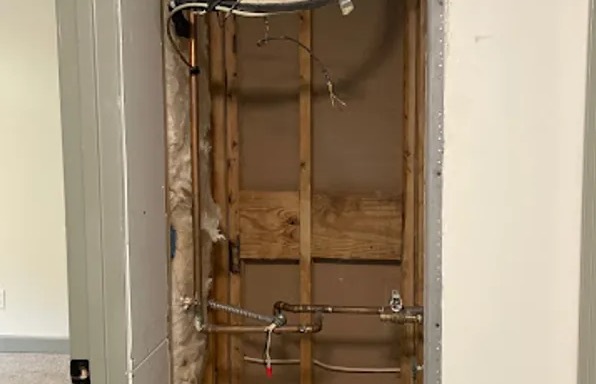
Professional Hidden Water Leak Detection in Parkland, FL
Hidden water leaks in Parkland can cause gradual structural damage and mold. Local leak detection professionals use non-invasive leak detection equipment and IICRC-standard methods to accurately locate the source.
Homeowners in Parkland and areas like Coral Springs, Margate and Coconut Creek benefit from specialized hidden pipe leak detection for hard-to-reach areas. Local water damage pros use non-destructive technology to pinpoint moisture sources accurately.
Advanced Hidden Water Leak Detection Techniques in Parkland
Ceiling Leak Source Identification
Specialists inspect above the ceiling for failed fittings or flashings. Pinpointing the origin prevents recurring damage in Parkland.
Pool Spa Leak Detection
Pool Spa Leak Detection typically starts with a visual inspection. Dye tests and electronic amplification on underground lines may follow to locate the source of water loss.
HVAC System Leak Detection
Electronic leak detection finds slow drips from faulty HVAC connections. Pinpointing the source prevents recurring damage to nearby walls.
Underground Pipe Leak Location
Ground microphones and tracer gas isolate leaks along buried pipes. Quick identification prevents soil erosion and sinkholes.
Appliance Water Line Inspection
Amplified stethoscopes listen for hisses from pinhole leaks in supply hoses. This method confirms a leak without moving heavy appliances.
Red Flags for Hidden Leaks in Parkland
Cracks in Foundation or Floor Slabs
New or widening cracks in your home's concrete foundation or slab may be caused by water erosion from an underground pipe leak location issue.
Spongy or Buckling Floorboards
Wood or laminate floors that feel soft, springy, or show warping are classic signs of moisture damage from a hidden water leak below.
Warm Spots on Floor Surfaces
Feeling unexpectedly warm areas on tile, vinyl, or concrete flooring can point to a hot water line leak, a common slab leak detection scenario.
Unexplained Spike in Water Bills
A sudden, significant increase in a monthly water bill often signals a hidden leak.
How Hidden Water Leak Detection Works in Parkland
Step 1: Comprehensive Property Moisture Mapping
The service starts with broad moisture mapping of the affected area. Non-penetrating sensors create a map showing relative moisture levels in walls, floors, and ceilings. This guides the search.
Step 2: Acoustic Listening for Hidden Pipe Leaks
Specialists use ground microphones and amplified stethoscopes to listen for the sound of water escaping under pressure. This leak detection method is highly effective for slab leak detection and wall leak detection.
Step 3: Thermal Imaging Confirmation Scan
An infrared thermal camera visually identifies temperature differences caused by evaporating water or wet materials. This technology reveals hidden water leaks inside cavities that other methods might miss.
Step 4: Documentation for Repair and Insurance
The final step compiles all data, photos, sensor readings, and thermal images into a report. The experts provide this and recommend next steps for repair.
Common Causes of Hidden Water Leaks in Parkland
Wear in Pool and Spa Plumbing Systems
The constant pressure and chemical exposure in pool plumbing leads to deterioration and leaks, a specific issue addressed by pool and spa leak detection.
High Water Pressure in Supply Lines
Excessively high water pressure strains pipe fittings and seals, eventually causing them to fail and create slow, hidden leaks behind walls or under slabs.
Improperly Sealed Pipe Joints and Fittings
Leaks often originate at connections where pipes join. Over time, seals degrade, allowing water to seep into surrounding structures undetected for long periods.
Construction Damage to Buried Pipes
Excavation, driving posts, or other yard work can accidentally puncture underground water or irrigation lines, creating leaks that are not immediately visible.
Local Hidden Water Leak Detection for Residential & Commercial Properties in Parkland
Residential Hidden Water Leak Detection
Home leak detection protects the property from slow damage. The experts perform appliance line and pool leak detection, using specialized equipment for accurate diagnostics.
Commercial Hidden Water Leak Detection
The professionals scale commercial leak detection for large properties with complex systems. They use industrial-grade sensors for underground pipe and slab foundation leak detection, delivering precise reports for thorough repairs.
The Risks of DIY Hidden Water Leak Detection in Parkland
Shut off an appliance's water if a leak is suspected. Take clear photos of any visible damage. Finding a leak inside a wall requires a leak detection professional's advanced methods.
What Influences Hidden Water Leak Detection Pricing in Parkland
For hidden water leak detection services, the price is influenced by methods needed, like electronic amplification. The urgency of the call and after-hours work are additional factors.
Access Difficulty
Concealed leaks behind walls or under slabs require specialized tools and more labor for accurate leak location, impacting cost.
Required Detection Equipment
The need for specific, high-tech leak detection equipment for tasks like moisture mapping can be a factor in the service price.
Extent of Moisture Mapping
A full property moisture mapping and inspection to identify all affected areas is more comprehensive than a targeted check.
Does Insurance Cover Hidden Water Leak Detection?
Does insurance cover hidden water leak detection? It might, but verify with your carrier. The professionals follow IICRC-standard methods to produce evidence insurers may require.
The Case for Professional Hidden Water Leak Detection in Parkland
Non-Invasive Detection Techniques
Whenever possible, non-invasive water leak detection methods are prioritized to minimize disruption to your home during the investigation.
IICRC-Standard Inspection Methods
The professionals utilize industry-standard protocols for hidden water leak detection, ensuring a systematic and thorough investigation of your property.
24/7 Emergency Response
Help is available any time for urgent hidden leak detection needs, helping to mitigate potential water damage quickly.
Immediate Emergency Hidden Water Leak Detection for Parkland
For immediate help with a suspected hidden water leak in Parkland, call (954) 738-6128 for 24/7 emergency hidden leak detection. A professional service can locate the source and help prevent extensive damage.
Call Now (954) 738-6128Extended Hidden Water Leak Detection Reach from Parkland
Each place listed below has its own page with local details.
- Hidden Water Leak Detection in Coral Springs
- Hidden Water Leak Detection in Margate
- Hidden Water Leak Detection in Coconut Creek
- Hidden Water Leak Detection in North Lauderdale
- Hidden Water Leak Detection in Tamarac
- Hidden Water Leak Detection in Deerfield Beach
- Hidden Water Leak Detection in Miami Gardens
- Hidden Water Leak Detection in North Miami Beach
Essential Hidden Water Leak Detection FAQs for Parkland
How does hidden wall leak detection work?
The professionals in Parkland use non-invasive tools like infrared cameras to detect temperature differences and moisture meters to identify wet areas behind drywall without causing unnecessary damage.
What is the purpose of moisture mapping and inspection?
Moisture mapping uses sensitive meters to create a detailed diagram of all affected materials, defining the full scope of water damage for an effective drying and repair plan.
What is involved in slab foundation leak detection?
Slab leak detection often involves electronic amplification equipment to listen for water sounds under the concrete and specialized gas or pressure testing to pinpoint the exact leak location.
Can leaks be detected without tearing out walls?
Yes, modern leak detection methods prioritize non-invasive techniques. Tools like thermal imaging for ceiling leak source identification often find leaks without immediate, destructive exploration.
Are there different water leak detection methods?
Yes, methods range from acoustic and thermal imaging to pressure testing and tracer gas. The chosen method depends on the suspected leak location and construction materials involved.